Smart homes aren’t some futuristic fantasy anymore—they’re happening now, and they’re completely transforming the way we live. But here’s where a lot of people mess up: they think smart homes are just about adding some fancy gadgets after construction. Nope. The best smart homes are designed from the ground up to be smart. That means no clunky add-ons, no Wi-Fi dead zones, and no “oops, we forgot to put outlets here” regrets.
If you’re building or renovating, it’s time to stop thinking about just walls, windows, and flooring. Your home is about to become a living, thinking system. Let’s dive into how to design a space that’s not just modern, but miles ahead of its time.
Start Smart: Design for Technology, Not Around It
A smart home isn’t just a regular house with a couple of gadgets sprinkled in. It’s an entire ecosystem. And like any good ecosystem, it needs a solid foundation.
Traditional vs. Smart Home Design: What’s Different?
| Feature | Traditional Home | Smart Home Ready |
|---|---|---|
| Infrastructure | Standard wiring, limited outlets | Hardwired smart hubs, structured cabling, ample outlets |
| Connectivity | Wi-Fi-based, often spotty signals | Whole-home mesh networks, wired connections for key devices |
| Security | Manual locks, basic alarms | Facial recognition, geofencing, AI-powered monitoring |
| Lighting | Standard switches & bulbs | Motion-sensing, circadian lighting, app-controlled dimming |
| Climate Control | One thermostat for the whole house | Zoned heating/cooling, AI-powered energy optimization |
| Entertainment | TV, speakers in a few rooms | Integrated whole-home audio, voice-controlled media |
See the difference? A smart home isn’t just tech-heavy—it’s tech-smart. Everything is designed to work together from day one.
Tech That Blends, Not Sticks Out
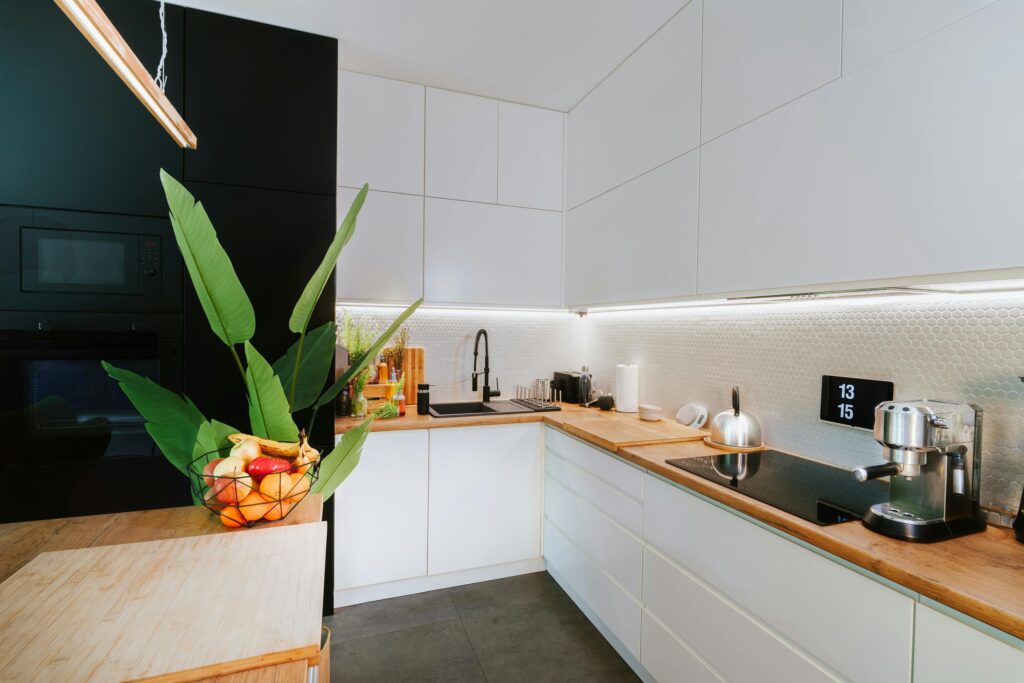
No one wants their house to look like a high-tech laboratory with wires, screens, and flashing lights everywhere. Smart design is about invisibility.
- Imagine walking into a room and the lighting, temperature, and music adjust automatically—without a single visible gadget.
- Picture smart glass windows that tint themselves when the sun is too bright, no blinds needed.
- Think about a home theater where the projector lowers, the lights dim, and the surround sound kicks in with one tap—or even just a voice command.
Technology should be there when you need it, and completely out of sight when you don’t.
Lighting: More Than Just On and Off
Lighting isn’t just about visibility—it’s about mood, energy, and even health. And once you’ve lived with smart lighting, you’ll never go back.
Mornings? Cool, bright lighting that wakes you up naturally.
Evenings? Warm, dim lighting that signals to your brain it’s time to unwind.
Gone for the weekend? Your home cycles through different lighting patterns to make it look like someone’s still there.
And the best part? You don’t have to think about any of it. Smart lighting systems learn your habits and adjust automatically.
Smarter Climate Control = A More Comfortable (and Cheaper) Home
Let’s be honest—most people set the thermostat once and forget about it, leading to wasted energy and uncomfortable rooms. Smart climate control solves this.
Your thermostat learns when you’re home and adjusts accordingly. It also recognizes when no one’s around and dials things back to save energy. Smart vents and zoned heating/cooling mean you’re not wasting energy on empty rooms.
And the best part? Lower energy bills. Because why pay for heating and cooling you’re not even using?

Security That’s Smarter and Actually Useful
Nobody wants to get 17 notifications a day because a squirrel ran across their driveway. Smart security isn’t just about cameras and alarms—it’s about intelligence.
Your home should recognize familiar faces and let you know when something actually matters. Geofencing can automatically lock up when you leave, and secure delivery boxes ensure your packages are safe from porch pirates.
This isn’t security that just reacts. It anticipates.
Entertainment That Feels Like Magic
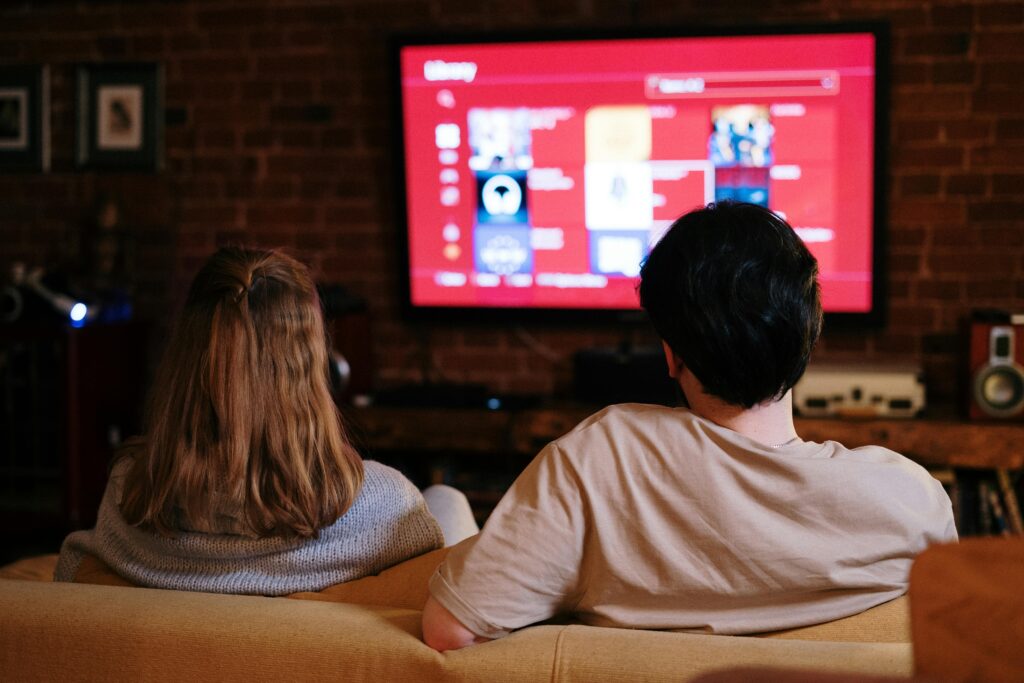
A smart home should also be fun. Imagine saying “Movie Night” and instantly:
- Lights dim
- The projector lowers
- The sound system kicks in
- Your couch suddenly feels 10x comfier (okay, maybe not that last one, but still)
Or picture music following you from room to room, adjusting volume based on where you are. This isn’t sci-fi. This is a well-designed smart home.
What’s Next? Homes That Think for You
We’re moving beyond homes that react to commands. The future is homes that predict and adapt—all on their own.
Your fridge suggests recipes based on what’s inside.
Your bathroom mirror gives you the day’s news while you brush your teeth.
Your home adjusts lighting, temperature, and security before you even realize you need it.
And this is just the beginning.
Final Thought: Build Smart from the Start
A smart home isn’t just a regular home with a bunch of tech—it’s a home designed for technology to work seamlessly, invisibly, and intelligently.
If you’re building or renovating, this is your moment to do it right. The difference between a house that just has smart tech and one that’s truly smart? Planning.
So don’t settle for a home that works like it’s still in 2010. Build something that thinks ahead, just like you do.